
The transformation of conventional power systems into smart grids is driven by advancements in ICT synchrophasor technology, renewable energy (RE) integration, and power electronic converters, Modern smart grids enable real- time monitoring. control. automation. and efficient energy management, while also introducing cybersecurity and protection challenges. There is a growing need for professionals with interdisciplinary expertise in power engineering IT and communication technologies. This online M. Tech program provides comprehensive training in Smart Grid Technology, including converters, smart grid protection, automation, and renewable- integrated system dynamics. The curriculum also covers HVDC, FACTS, optimal operation, and electricity markets. The program aims to prepare skilled professionals for the secure, reliable, and efficient operation of next- generation power systems.
Applications extended till July 1st!
Curriculum Template

Courses Offered
Eligibility Criteria
- Minimum CPI 5.5 or 55% marks in the qualifying degree
- IIT Kanpur’s online proctored entrance test [syllabus]
- Bachelor's in Electrical & Electronics Engineering,Bachelor's in Electrical Engineering
- Should have completed at least one course in power engineering in Bachelor's degree or relevant indust rial experience in power engineering
- Selection through interview
Program Fee
| Program Fee (₹) | ₹1,50,000 |
|---|---|
| Trimester Fee (₹) | ₹25,000 |
| Minimum Course Credits | 144 Credits |
| Course Fees / Credit | ₹4,000 per credit * |
| Evaluation Fee / Credit | ₹400 |
| Total Fee (₹)*** | ₹9,33,600 |
| Application Fee | ₹5,000 (non-refundable) |
| Continuation Fee | ₹5,000 per inactive trimester |
- 25% concession on Program and Course fees for candidates sponsored/nominated by the Government/PSUs/ Defence Organizations.
- 15% concession on Program and Course fees for corporate bulk-sponsored/nominated candidates (5 or more candidates in a year).
- 40% concession on Program and Course/Tuition Fees for IITK Alumni.
* Course fee per credit may vary for interdisciplinary courses.
** ₹50,000 of the Program Fee must be paid to confirm registration.
*** The total fee may vary depending on the course fee per credit.
| Program Fee (USD) | $1,875 |
|---|---|
| Trimester Fee (USD) | $315 |
| Minimum Course Credits | 144 Credits |
| Course Fees / Credit | $50 per credit * |
| Evaluation Fee / Credit | $5 |
| Total Fee (USD)*** | $11,685 (approx.) |
| Application Fee | $100 (non-refundable) |
| Continuation Fee | $65 per inactive trimester |
- 25% concession on Program and Course fees for candidates sponsored/nominated by the Government/PSUs/ Defence Organizations.
- 15% concession on Program and Course fees for corporate bulk-sponsored/nominated candidates (5 or more candidates in a year).
- 40% concession on Program and Course/Tuition Fees for IITK Alumni.
* Course fee per credit may vary: Engineering $45–$65; Science $35–$60.
** A part of Program Fee ($600) must be deposited to confirm registration.
*** The total fee may vary depending on the course fee per credit.
| IIT Kanpur has facilitated loan options for Online PGP students through three banks — SBI, ICICI, and HDFC. | |
|---|---|
| Bank | Loan Related Documents |
| State Bank of India (SBI) | Click Here |
| HDFC Bank | Click Here |
| ICICI Bank | Click Here |
Note:
- The loan agreement is strictly between the student and the respective bank, with no financial liability or involvement of IIT Kanpur in any manner.
- Detailed information on the loan schemes and contact details for each bank are available in the links provided above.
- For any queries or assistance, students are requested to contact the respective bank directly.
Instructors
Electricity Markets, Design of Transactive Electrical Energy Systems,Energy Policy and Management, Integrated Transmission and
Distribution Systems
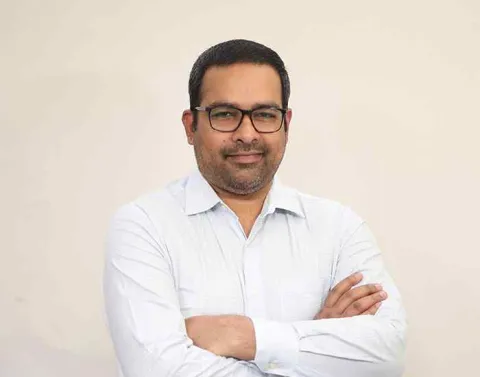
Power system security, Uncertainty modelling, Stochastic analysis and optimization, Robust and efficient system operation and planning, Renewable integration in power systems, Deregulation.
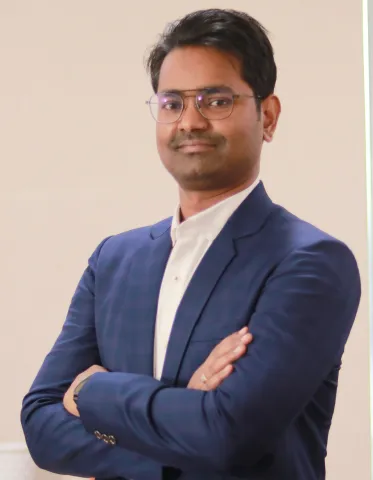
Renewable penetration challenges to the grid, Machine learning applications to power systems, Power Converters for EV and its interfacing challenges, Power Electronics Applications to Power Systems, Microgrid Control (Black out, Islanded Operation, EMS)
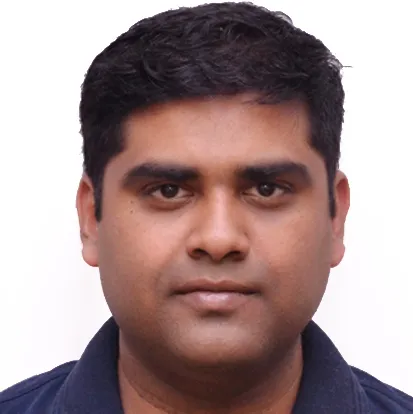
Nonlinear systems, Control of unmanned autonomous vehicles, Coordinated control, Application of coordinated control to unmanned vehicles, power systems, Discontinuous systems
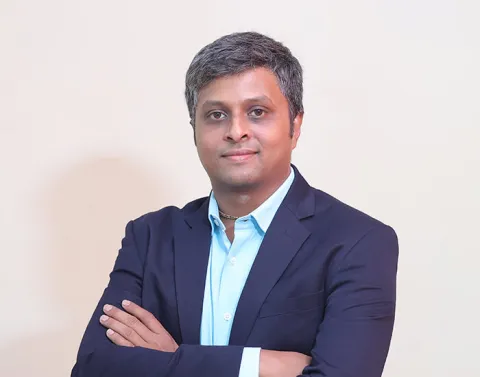
Renewable penetration challenges to the grid, Machine learning applications to power systems, Power Converters for EV and its interfacing challenges, Power Electronics Applications to Power Systems, Microgrid Control (Black out, Islanded Operation, EMS)

Nonlinear systems, Control of unmanned autonomous vehicles, Coordinated control, Application of coordinated control to unmanned vehicles, power systems, Discontinuous systems
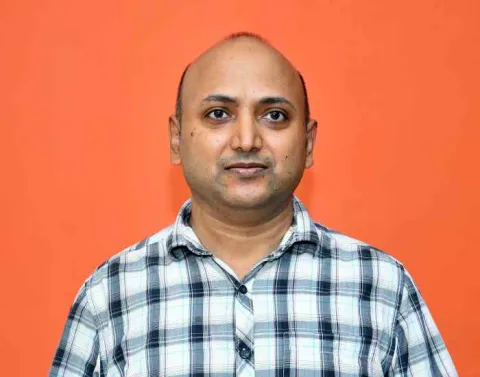
State estimation of transmission and distribution systems, Stability and control of power systems with penetration of renewable energy, Operation and control of microgrids the Modelling of generators and loads, planning and operation of distribution systems
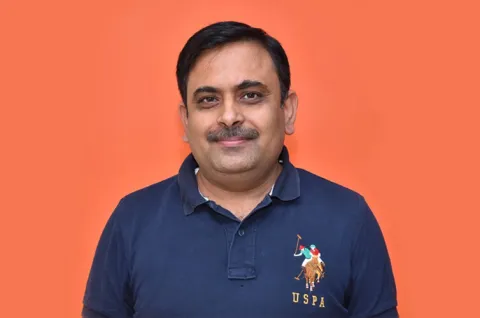
Smart Grid Technology, State Estimation, IT Application to Power Systems, Smart City, Multi-Agent Systems, Wide Area Monitoring & Control of Power System, Demand Response Management, Internet of Things
Fault tolerant converters for DC grid
applications, Power electronics
dominated grid, Modeling of RE plants
and RE integration studies, Direct
integration of RE sources with MVDC
grid
Program FAQ
General Questions
Anyone with a relevant bachelor's degree and minimum 55% marks or 5.5 CPI can apply. Specializations vary across departments but are designed to be interdisciplinary and industry-relevant, with electives across domains.
You can complete the program in 2 to 4 years, at a self-paced schedule.
The total fee is approximately ₹9.33 lakhs, including course, exam, and trimester fees.
Yes. You can pursue either a research (thesis) track or an industry-oriented (project) track.Depending on the department.
Questions for Career and Alumni
Yes. Graduates of these programs become part of the prestigious IIT Kanpur alumni network — a global community of innovators and leaders.
They offer industry-relevant curriculum, flexible learning, and credentials from one of India’s top institutes — helping boost both technical expertise and career growth.